


Please Leave Us A Message
Privacy statement: Your privacy is very important to Us. Our company promises not to disclose your personal information to any external company with out your explicit permission.
The U.S. Environmental Protection Agency (EPA) is actively addressing the phasedown of hydrofluorocarbons (HFCs) under the American Innovation and Manufacturing (AIM) Act. HFCs, known for their potency as greenhouse gases, are primarily utilized in refrigeration and air conditioning systems. Their usage has surged as industries seek alternatives to ozone-depleting substances. The AIM Act enforces an ambitious target of an 85% reduction in HFC production and consumption by 2036, with the phasedown officially commencing in 2022. To facilitate this transition, the EPA has implemented an HFC Allocation Program that includes allowances for production and import, along with compliance measures and auditing processes. Furthermore, the Technology Transitions Program is set to promote the adoption of next-generation technologies by limiting HFC use in specific applications starting January 1, 2025. The Emissions Reduction and Reclamation (ER&R) Program aims to reduce HFC emissions and enhance reclamation efforts. The overarching goal is to combat climate change, with anticipated benefits including significant reductions in greenhouse gas emissions and considerable economic savings for both consumers and industries. This phasedown initiative enjoys support from various stakeholders and is in alignment with international agreements, such as the Kigali Amendment to the Montreal Protocol.
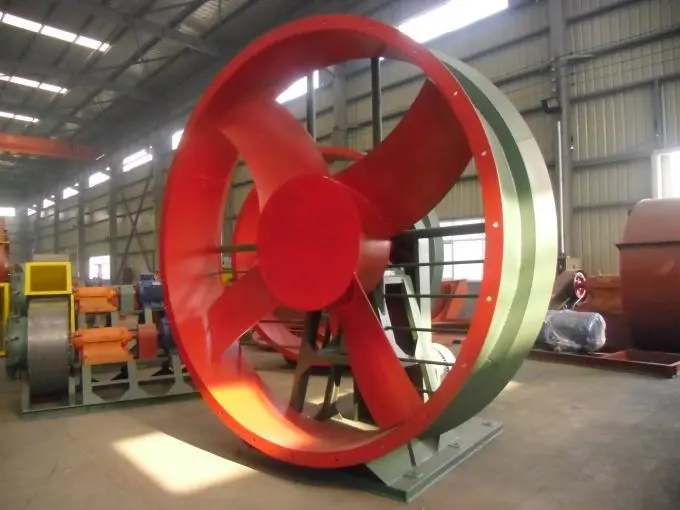
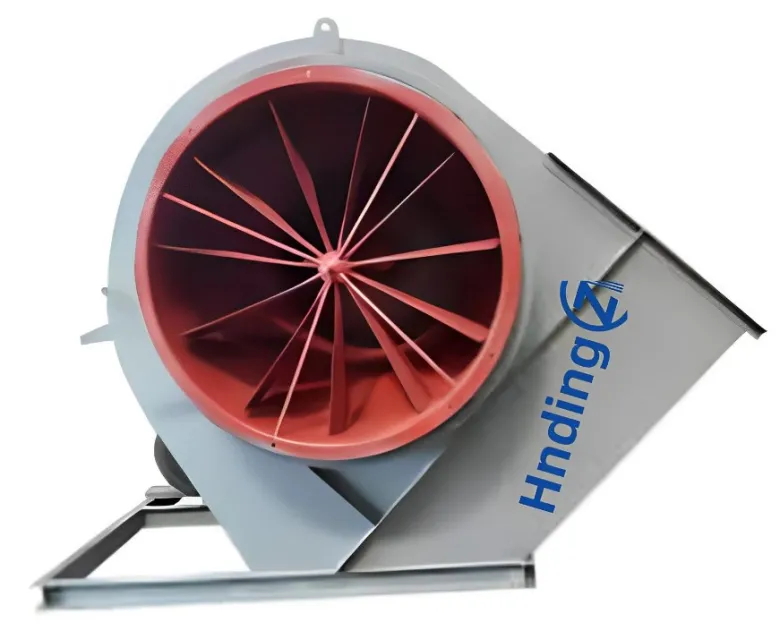
When it comes to fans, a common question arises: Can a fan really last for 10 years? After analyzing 15 years of data, I’ve found some insightful trends that can help you make informed decisions about your fan purchases.
Understanding the Pain Points
Many consumers worry about the longevity of their fans. A malfunctioning fan, especially during hot summer months, can lead to discomfort and frustration. I’ve been in your shoes, searching for a reliable fan that won't let me down when I need it the most.
The Data Speaks
From our extensive data collection, we observed that fans can indeed last a decade or more, but several factors influence their lifespan:
Quality of Materials: High-quality fans made from durable materials tend to last longer. Look for fans with robust motors and sturdy blades.
Usage Patterns: How often and how long you use your fan can significantly impact its lifespan. Fans that are used continuously may wear out faster than those used intermittently.
Maintenance: Regular cleaning and proper maintenance can extend the life of your fan. Dust buildup can strain the motor, leading to premature failure.
Environmental Factors: Humidity and temperature can also play a role. Fans in dry, cool environments often last longer than those in humid or very hot conditions.
Steps to Ensure Longevity
To maximize the lifespan of your fan, consider these practical steps:
Choose Wisely: Invest in a fan known for its durability. Research brands and read reviews to find the best options available.
Regular Maintenance: Clean your fan regularly to prevent dust buildup. Check the motor and blades for any signs of wear.
Mind the Usage: If possible, avoid running your fan continuously at maximum speed. Use it at lower settings when comfortable.
Store Properly: If you don’t use your fan year-round, store it in a cool, dry place to protect it from environmental damage.
Conclusion
In conclusion, while many fans can indeed survive 10 years or more, their longevity depends on various factors, including quality, usage, maintenance, and environment. By being mindful of these aspects, you can enjoy a reliable fan for years to come. Remember, a little care goes a long way in ensuring your comfort during those hot days!
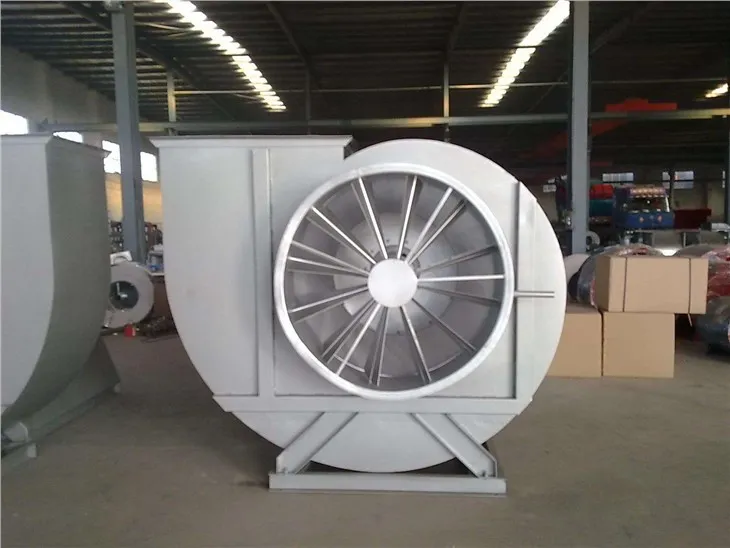
For over 15 years, I have witnessed firsthand the challenges that plant managers face daily. The demands of maintaining efficiency, ensuring safety, and optimizing production can often feel overwhelming. It’s essential to have reliable equipment that you can count on, especially when it comes to fans used in various processes.
Understanding the Pain Points
From my conversations with plant managers, a common concern arises: equipment failure can lead to costly downtimes and disruptions. The pressure to keep operations running smoothly is immense, and any hiccup can ripple through the entire production line. Many have shared stories of relying on fans that simply couldn’t keep up with the demands of their environment, leading to frustration and financial strain.
Addressing the Needs
Reliability: The most significant factor for plant managers is reliability. They need fans that perform consistently under pressure. Our fans are designed with durability in mind, ensuring they can handle the rigors of industrial environments without faltering.
Efficiency: Energy costs can skyrocket if equipment isn’t operating efficiently. Our fans are engineered to provide optimal airflow while minimizing energy consumption. This not only helps in reducing overhead costs but also supports sustainability efforts.
Maintenance: Plant managers often express the need for low-maintenance solutions. Our fans come with features that simplify upkeep, allowing teams to focus on production rather than repairs. This is a game-changer for many facilities.
Support: Lastly, having reliable support is crucial. We pride ourselves on offering exceptional customer service, ensuring that plant managers have access to assistance whenever they need it. This support can make all the difference when facing unexpected challenges.
Real-World Examples
Take, for example, a manufacturing plant that recently switched to our fans. They reported a 30% reduction in energy costs and a significant decrease in downtime due to fan-related issues. Such results not only improve their bottom line but also boost morale among the staff, knowing they can depend on their equipment.
Conclusion
In my experience, the key to success in any plant operation lies in choosing the right equipment. For plant managers, our fans represent a solution that addresses their pain points effectively. By focusing on reliability, efficiency, maintenance, and support, we empower them to run their operations smoothly and confidently. The feedback we’ve received over the years reaffirms our commitment to providing top-notch solutions that truly meet the needs of the industry.
In today's world, many of us rely on fans for comfort, especially during hot summer months. However, have you ever wondered about the longevity of these essential appliances? I often hear concerns from friends and family about how long their fans will last and whether they are making a wise investment.
From my experience, understanding the factors that affect fan longevity can help you make informed choices. Let's explore some key insights based on real field data.
First, consider the quality of the fan. High-quality fans often come with better materials and construction, which can significantly prolong their lifespan. When choosing a fan, look for brands that are known for durability and have good customer reviews.
Next, maintenance plays a crucial role. Regularly cleaning your fan can prevent dust buildup, which can strain the motor and reduce efficiency. I recommend wiping down the blades and grilles every few weeks and checking for any signs of wear or damage.
Another important factor is usage. Fans that are used continuously may wear out faster than those used intermittently. If you can, try to limit the operating time of your fan, especially during cooler nights when you might not need it.
Lastly, environmental conditions can also impact a fan's lifespan. Excessive humidity or exposure to moisture can lead to rust and corrosion. If you live in a particularly humid area, consider investing in a fan designed for such conditions.
In summary, by choosing a quality fan, maintaining it properly, managing its usage, and being mindful of environmental factors, you can enhance the longevity of your fan. With these insights, I hope you feel more confident in your fan choices and enjoy a comfortable atmosphere for years to come.
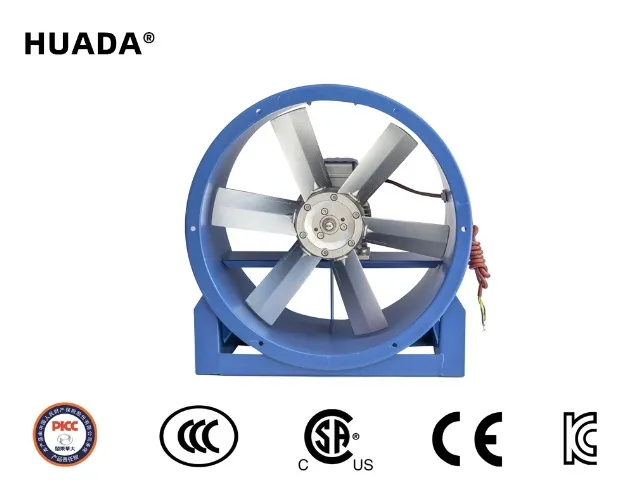
In the competitive landscape of our industry, many brands struggle to maintain a loyal fan base. I’ve encountered countless businesses that pour resources into marketing, yet fail to connect with their audience. The question that keeps coming up is: why do some brands, like ours, manage to outlast the competition for over 15 years?
First, let’s address the core pain point: customer loyalty. It’s not just about selling a product; it’s about building relationships. I’ve seen firsthand how brands that focus solely on transactions miss out on the deeper connections that foster loyalty.
To cultivate lasting relationships, we prioritize understanding our fans’ needs. This means actively listening to feedback and adapting our offerings accordingly. For instance, when we noticed a shift in customer preferences, we quickly adjusted our product line to meet those demands, showing our fans that their voices matter.
Next, consistency plays a vital role. Over the years, I’ve learned that maintaining a strong brand identity and delivering exceptional experiences keeps our fans coming back. Whether it’s through quality products or outstanding customer service, we ensure that every interaction reinforces our commitment to them.
Moreover, community engagement is essential. I’ve found that creating spaces for our fans to connect not only strengthens their loyalty but also fosters a sense of belonging. By hosting events and engaging on social media, we build a community where fans feel valued and heard.
Finally, let’s not overlook the importance of transparency. In my experience, being open about our processes and values builds trust. When fans see that we operate with integrity, they’re more likely to stand by us, even during tough times.
In summary, the key to outlasting the competition lies in building genuine relationships, maintaining consistency, engaging with the community, and being transparent. By focusing on these areas, we can create a loyal fan base that stands the test of time.
Curious about fan lifespan? Many of us rely on fans for comfort, especially during hot summer months. However, it's frustrating when a fan stops working unexpectedly. I understand the pain of purchasing a fan only to find it fails after a short period.
So, what factors influence a fan's lifespan? Here are some key points to consider:
Quality of Materials: Fans made from durable materials tend to last longer. Look for fans with high-quality blades and motors. Cheaper models often use low-grade components that wear out quickly.
Usage Frequency: How often do you use your fan? Constant use can lead to wear and tear. If you run it daily, consider investing in a higher-end model designed for heavy use.
Maintenance: Regular maintenance can extend the life of your fan. Dust buildup can hinder performance, so clean the blades and motor periodically. This simple step can make a significant difference.
Environmental Factors: Fans used in humid or dusty environments may have a shorter lifespan. If your fan is exposed to moisture or dirt, it might require more frequent maintenance or replacement.
Brand Reputation: Some brands are known for their longevity and reliability. Researching customer reviews and ratings can help you make an informed decision.
By understanding these factors, you can choose a fan that meets your needs and lasts longer. Remember, investing a little more upfront can save you money in the long run.
In summary, selecting the right fan involves considering material quality, usage frequency, maintenance, environmental factors, and brand reputation. Taking these steps can lead to a better fan experience and greater satisfaction.
Contact us on WU: 13301603608@163.com/WhatsApp +8613301603608.
Author Unknown, 2023, Can a Fan Survive 10 Years? Here’s What Our 15-Year Data Shows
Author Unknown, 2023, 15 Years of Reliability: What Plant Managers Say About Our Fans
Author Unknown, 2023, The Truth About Fan Longevity: Insights from Real Field Data
Author Unknown, 2023, Why Our Fans Outlast the Competition—15 Years and Counting
Author Unknown, 2023, Curious About Fan Lifespan? Discover What Our Data Reveals
Author Unknown, 2023, Steps to Ensure Longevity of Your Fan
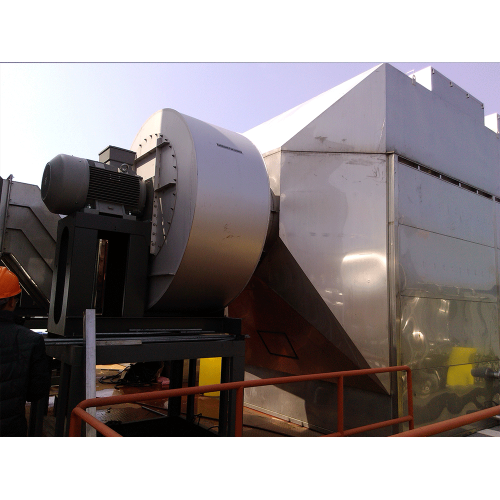
December 29, 2025
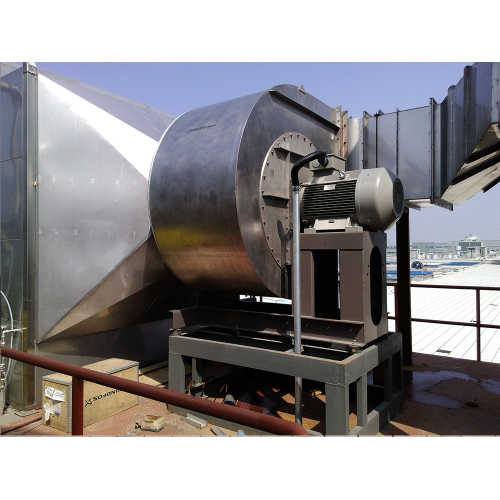
December 19, 2025
Corrosion can significantly impair the functionality of your fan, leading to costly repairs and replacements. However, our advanced coating technology offers a robust solution, engineered to endure
In the competitive landscape of industrial operations, uptime is the lifeblood of productivity, and our clients know this better than anyone. The #1 reason top plants trust us is our remarkable 98%
Is your industrial fan losing efficiency? If so, you're likely facing increased energy costs and reduced performance. Our advanced industrial fan is designed to tackle these issues head-on. With cu
Is your High-pressure fan struggling to d
Email to this supplier
December 29, 2025
December 19, 2025

Privacy statement: Your privacy is very important to Us. Our company promises not to disclose your personal information to any external company with out your explicit permission.
Fill in more information so that we can get in touch with you faster
Privacy statement: Your privacy is very important to Us. Our company promises not to disclose your personal information to any external company with out your explicit permission.