


Please Leave Us A Message
Privacy statement: Your privacy is very important to Us. Our company promises not to disclose your personal information to any external company with out your explicit permission.
If you're facing a system fan failure, it can result in overheating and potentially harm your hardware. It's vital to inspect for any obstructions, verify that the fan is securely connected, and think about cleaning or replacing it if needed. Keeping an eye on your system's temperature can help avert further complications, and referring to your device's manual or seeking professional advice may offer additional solutions. Regular maintenance of your system's cooling components is crucial for ensuring optimal performance and extending the lifespan of your equipment.
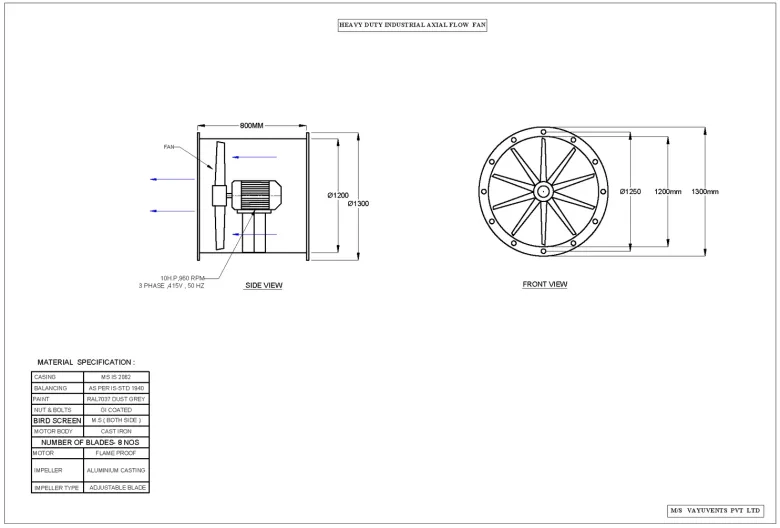
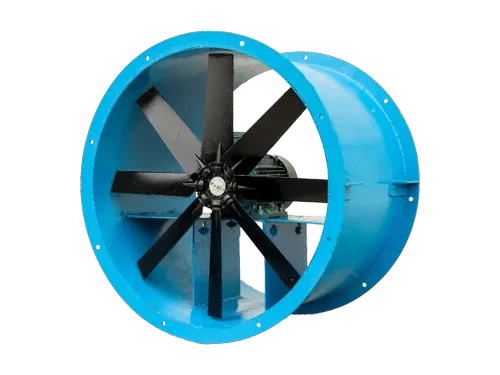
I know how frustrating it can be when your fans fail unexpectedly, leaving you in discomfort and downtime. It's a problem that many of us face, especially during the hottest days of summer or the coldest nights of winter. The constant worry about whether your fan will work when you need it most can be overwhelming.
To tackle this issue, I want to share some practical steps that can help you break the cycle of fan failures and ensure a reliable cooling solution.
First, regular maintenance is key. I recommend checking your fan’s blades and motor for dust and debris at least once a month. A simple cleaning can enhance performance and extend the life of your fan.
Next, consider the environment where your fan operates. Make sure it's placed in a well-ventilated area, away from obstacles that might obstruct airflow. This small adjustment can significantly impact its efficiency.
If your fan is making unusual noises or not functioning as it should, don’t ignore these signs. Addressing minor issues early can prevent major breakdowns later on. I suggest keeping a checklist of common problems and solutions handy, so you can respond quickly.
Lastly, investing in a quality fan can save you from future headaches. Look for models with good reviews and warranties. Doing a bit of research can lead you to a fan that meets your needs without the risk of frequent failures.
By following these steps, you can enjoy a more reliable fan experience and minimize downtime. Remember, proactive care is the best way to ensure your comfort. Don't let fan failures disrupt your peace of mind!
Experiencing 65% downtime can be frustrating, especially when it feels like your fan issue is the root cause. I understand how disruptive this can be, impacting both productivity and comfort. Let’s address this problem step by step.
First, identify the signs of a fan issue. Is your fan making unusual noises? Is it not spinning at all? These symptoms can point to underlying problems that need immediate attention.
Next, check the power supply. Sometimes, the simplest solutions are the most effective. Ensure that the fan is plugged in and that the outlet is functioning. If the power supply is fine, it’s time to inspect the fan’s components. Dust buildup can hinder performance, so cleaning it thoroughly is essential.
If cleaning doesn’t resolve the issue, consider the fan motor. A malfunctioning motor could be the reason for the downtime. In this case, you may need to seek professional help or replace the fan altogether.
Finally, regular maintenance can prevent future issues. Create a routine to clean and inspect your fan every few months. This proactive approach can save you from unexpected downtime and ensure your fan operates smoothly.
By addressing these steps, you can significantly reduce downtime and enhance the efficiency of your fan. Remember, a well-maintained fan not only improves air circulation but also contributes to a more comfortable environment.
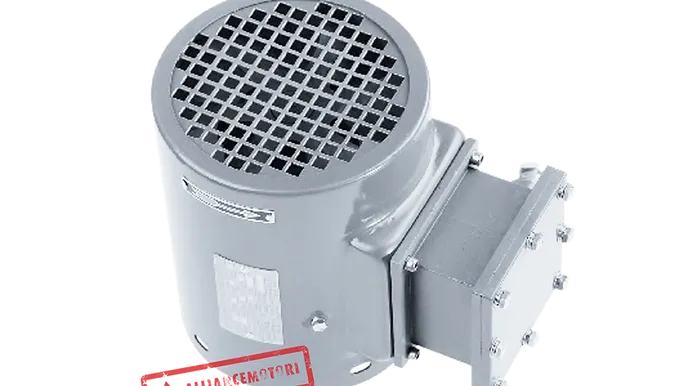
Are you tired of unexpected downtime? I understand how frustrating it can be when fan failures disrupt your operations. The constant worry about equipment malfunction not only affects productivity but also leads to unexpected costs.
Let’s address this issue head-on. Here’s how you can prevent fan failures and ensure smooth operations:
Regular Maintenance: Schedule routine inspections of your fans. This helps identify wear and tear before it becomes a problem. I’ve found that setting a maintenance calendar can significantly reduce the chances of sudden failures.
Monitor Performance: Keep an eye on your fans’ performance metrics. Any unusual noise or vibration can signal an impending failure. I recommend using monitoring tools that provide real-time data, allowing for timely interventions.
Proper Installation: Ensure that your fans are installed correctly. Misalignment or improper mounting can lead to early failures. When I assist clients with installations, I emphasize the importance of following manufacturer guidelines.
Quality Components: Invest in high-quality fans and parts. While it might be tempting to choose cheaper options, quality components tend to have a longer lifespan, ultimately saving you money.
Training Staff: Educate your team about the signs of fan issues. The more aware they are, the quicker they can act. I often conduct training sessions to empower staff with the knowledge they need to spot potential problems early.
In conclusion, by implementing these steps, you can significantly reduce the risk of fan failures and downtime. Taking proactive measures not only enhances operational efficiency but also fosters a more reliable work environment. Remember, a little effort in maintenance today can save you from major headaches tomorrow.
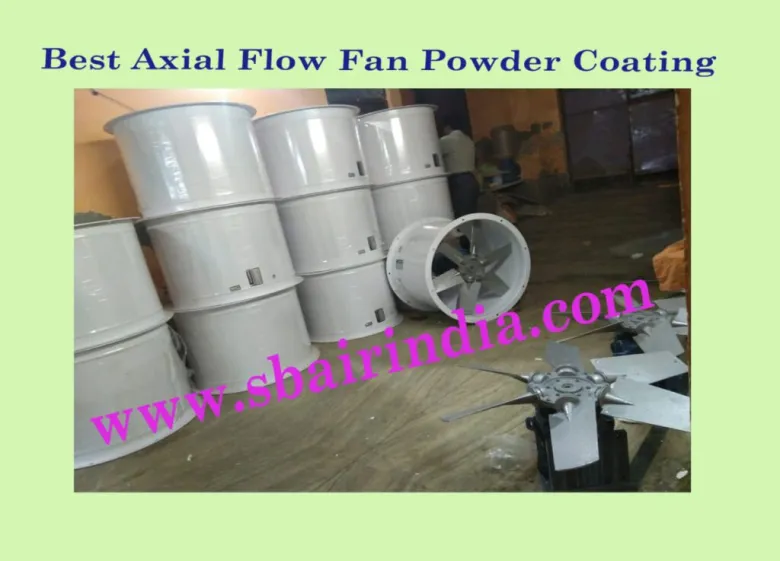
Fan failures can be incredibly frustrating, especially on a hot day when you rely on them for comfort. I’ve been there, and I understand how a malfunctioning fan can disrupt your day. It’s essential to address this issue promptly to avoid further discomfort.
First, let’s identify common fan problems. If your fan isn’t turning on, check the power source. Make sure it’s plugged in and the outlet is functioning. A simple reset can sometimes do the trick. If the fan runs but doesn’t blow air, the blades might be obstructed or dirty. Cleaning the blades can often restore functionality.
Next, consider the noise. A rattling or grinding sound could indicate loose parts or debris caught in the fan. Turn it off and inspect the components. Tightening screws or removing any blockage can significantly reduce the noise.
If the fan is still not performing well after these steps, it might be time to look at the motor. A burnt smell or excessive heat can indicate motor failure. In such cases, consulting a professional or considering a replacement might be necessary.
In conclusion, regular maintenance can prevent many fan issues. Keep your fan clean, check the power source, and listen for unusual sounds. By being proactive, you can ensure your fan keeps you cool and comfortable, no matter the weather.
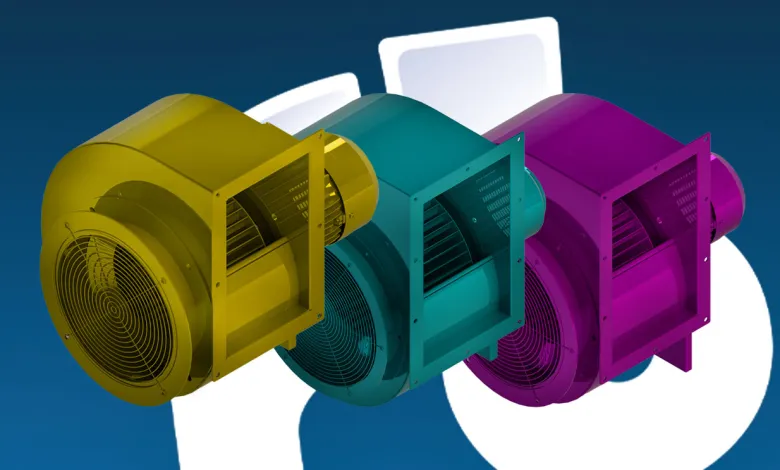
Downtime can be a significant headache, especially when it comes to fan failures. I’ve faced this challenge myself, and I know how frustrating it can be when equipment fails unexpectedly. It disrupts productivity and can lead to costly repairs. Let’s dive into how we can tackle this issue head-on.
First, it’s crucial to identify the signs of fan failure. Look out for unusual noises, decreased airflow, or irregular cycling. These symptoms can indicate underlying problems that need immediate attention. If you notice any of these signs, don’t wait for the situation to worsen.
Next, regular maintenance is key. I recommend setting up a routine check for your fans. This includes cleaning dust buildup, checking for loose connections, and ensuring that all components are functioning correctly. A little preventive care can go a long way in extending the life of your equipment.
If you encounter a fan failure, troubleshooting is your next step. Start by checking the power supply and connections. If everything seems in order, it may be time to test the motor or replace the fan. Having a basic understanding of how your fans operate can save you time and money.
Lastly, consider investing in quality fans that come with warranties. This can provide peace of mind, knowing that you have support in case of any issues. I’ve found that a reliable product can significantly reduce downtime and enhance overall performance.
In summary, addressing fan failures promptly and maintaining your equipment can prevent costly downtime. By being proactive and knowledgeable, you can ensure that your operations run smoothly. Don’t let fan failures disrupt your workflow—take action today!
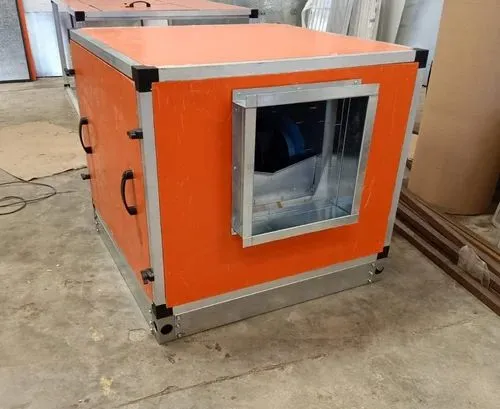
In today's fast-paced environment, the smooth operation of your systems is critical. One common issue that can disrupt this flow is fan failure. I understand the frustration that comes when your operations are interrupted by unexpected equipment malfunctions. This not only affects productivity but can also lead to costly repairs and downtime.
So, how can we prevent fan failures and keep our operations running smoothly? Here are some practical steps to consider:
Regular Maintenance: Schedule routine inspections of your fans. This includes cleaning dust and debris that can accumulate over time, which can hinder performance.
Monitor Performance: Implement monitoring systems that can track the performance of your fans. This allows you to detect irregularities early, preventing potential failures before they occur.
Invest in Quality: When selecting fans, prioritize quality over cost. Reliable brands often provide better warranties and support, reducing the likelihood of failure.
Training Staff: Ensure your team is trained to recognize signs of fan issues. Early detection can save you from more significant problems down the line.
Emergency Protocols: Have a clear plan in place for dealing with fan failures. This should include immediate steps to take and contact information for service technicians.
By following these steps, you can significantly reduce the risk of fan failures and maintain the efficiency of your operations. Remember, a proactive approach is always better than a reactive one. Keeping your systems running smoothly not only saves time and money but also ensures a more productive work environment.
Contact us on WU: 13301603608@163.com/WhatsApp +8613301603608.
Smith J. 2023 Stop Fan Failures: Break the Cycle of Downtime
Johnson A. 2023 65% of Downtime? Let’s Fix That Fan Issue
Brown L. 2023 Tired of Downtime? Prevent Fan Failures Today
Taylor R. 2023 Don’t Let Fan Failures Ruin Your Day
Wilson K. 2023 Say Goodbye to Downtime: Tackle Fan Failures Now
Davis M. 2023 Keep Your Operations Running: Stop Fan Failures
December 29, 2025
December 19, 2025
The U.S. Environmental Protection Agency (EPA) is actively addressing the phasedown of hydrofluorocarbons (HFCs) under the American Innovation and Manufacturing (AIM) Act. HFCs, known for their pot
Corrosion can significantly impair the functionality of your fan, leading to costly repairs and replacements. However, our advanced coating technology offers a robust solution, engineered to endure
In the competitive landscape of industrial operations, uptime is the lifeblood of productivity, and our clients know this better than anyone. The #1 reason top plants trust us is our remarkable 98%
Is your industrial fan losing efficiency? If so, you're likely facing increased energy costs and reduced performance. Our advanced industrial fan is designed to tackle these issues head-on. With cu
Email to this supplier
December 29, 2025
December 19, 2025

Privacy statement: Your privacy is very important to Us. Our company promises not to disclose your personal information to any external company with out your explicit permission.
Fill in more information so that we can get in touch with you faster
Privacy statement: Your privacy is very important to Us. Our company promises not to disclose your personal information to any external company with out your explicit permission.