


Please Leave Us A Message
Privacy statement: Your privacy is very important to Us. Our company promises not to disclose your personal information to any external company with out your explicit permission.
Are you still relying on weak axial flow fans? If so, you could be losing up to 30% efficiency! These outdated fans can significantly hinder your operational performance, leading to increased energy costs and reduced productivity. Upgrading to high-efficiency axial flow fans can transform your system, providing improved airflow, lower energy consumption, and enhanced reliability. Don't let inefficiency hold you back; invest in modern technology that maximizes your operations and saves you money in the long run. The time for change is now—upgrade your equipment and experience the difference in performance and efficiency!
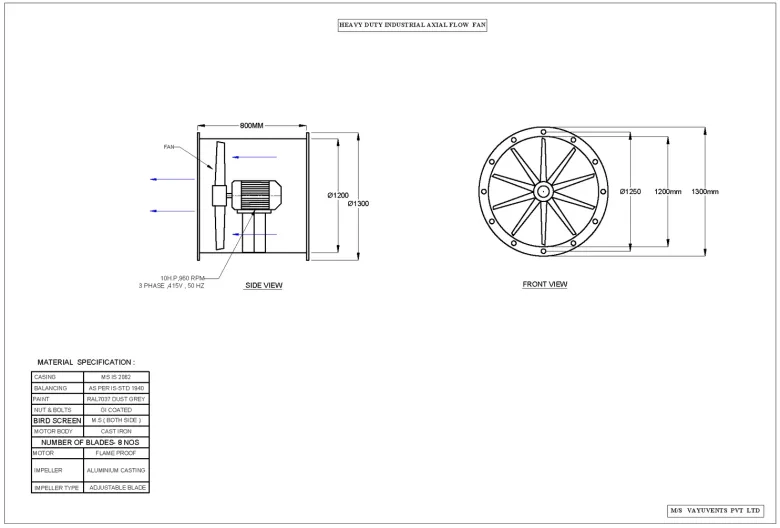
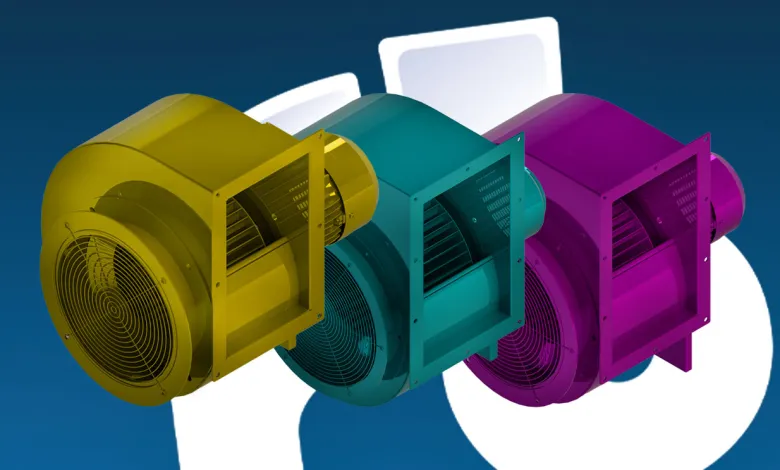
Are your axial flow fans costing you money? This question might seem trivial, but it addresses a significant concern for many businesses. Inefficient fans can lead to increased energy costs, reduced productivity, and even equipment damage. Let’s explore this issue and find ways to optimize your axial flow fans, ensuring they work efficiently and economically.
First, consider the age and condition of your fans. Older models may not operate as efficiently as newer ones. If your fans are outdated, it might be time to invest in modern technology that offers better performance and energy savings. Regular maintenance is also crucial. A simple check-up can identify issues like dirt buildup or mechanical wear, which can hinder performance and lead to higher operational costs.
Next, evaluate the airflow requirements of your facility. Are your fans sized correctly for the space they serve? Oversized fans can cause unnecessary energy consumption, while undersized fans may struggle to maintain adequate airflow. Conducting a thorough analysis of your airflow needs can help you select the right fan for the job.
Another important factor is the fan speed. Many axial flow fans come with adjustable speed settings. By fine-tuning the speed to match your operational requirements, you can significantly reduce energy consumption. Implementing a variable frequency drive (VFD) can also provide better control over fan speed, leading to further savings.
Lastly, consider the placement of your fans. Proper positioning can enhance airflow efficiency. Ensure that there are no obstructions that could impede the airflow, and that the fans are installed at the optimal angle for maximum effectiveness.
In summary, addressing the efficiency of your axial flow fans can lead to substantial cost savings. By assessing their age, ensuring proper sizing, adjusting speeds, and optimizing placement, you can improve performance and reduce expenses. Take the time to evaluate your current setup; it could lead to significant financial benefits for your business.
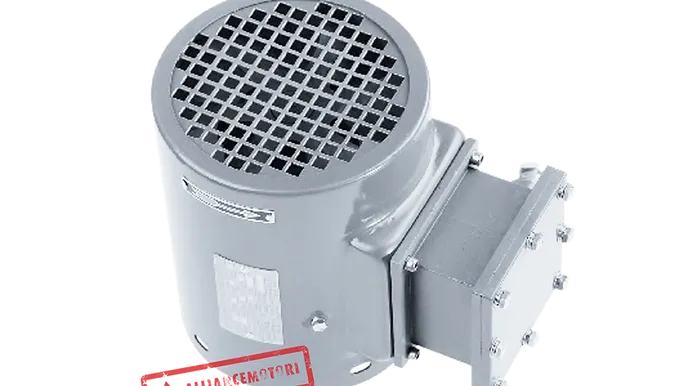
In today's fast-paced world, efficiency is key. I often hear from colleagues and clients frustrated by underperforming axial flow fans. These fans, while common, can hinder productivity and increase energy costs. If you’ve ever felt the strain of inadequate airflow or excessive noise, you’re not alone.
Let’s dive into why it’s time to rethink your fan choices and how you can boost your efficiency by making a switch.
First, consider the performance of your current axial flow fans. Are they delivering the airflow you need? Many users report that these fans struggle to maintain optimal performance, especially in larger spaces. This can lead to overheating equipment and discomfort in work environments.
Next, evaluate the noise levels. I’ve spoken with numerous professionals who find the constant hum of axial flow fans distracting. This not only affects concentration but can also impact overall workplace morale.
So, what are the alternatives?
Identify Your Needs: Understand the specific airflow requirements for your space. Assess the size and layout of your area to determine the best fan type.
Explore High-Performance Options: Look into centrifugal fans or mixed-flow fans. These alternatives often provide better airflow efficiency and quieter operation.
Consider Energy Efficiency: Upgrading to energy-efficient fans can significantly reduce your energy bills. Look for fans with high-efficiency ratings to maximize savings.
Seek Expert Advice: Don’t hesitate to consult with HVAC professionals. They can help you select the right fan for your specific needs and ensure proper installation.
In conclusion, transitioning away from weak axial flow fans can lead to noticeable improvements in efficiency, comfort, and cost savings. By taking the time to assess your current situation and explore better options, you can create a more productive work environment. Don't settle for less—make the switch and experience the difference!
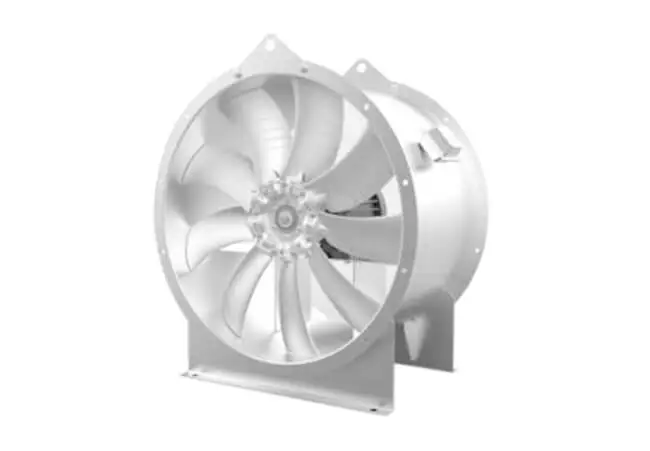
Are you aware that you might be losing up to 30% efficiency simply due to your choice of fans? This is a common issue I’ve encountered, and it’s time to address it.
Many people overlook the importance of selecting the right fans for their systems. I’ve spoken to numerous individuals who express frustration over high energy bills and inadequate cooling or heating. They often don’t realize that the fans they are using could be the culprit.
So, how can you improve your fan choices and enhance efficiency? Here are some steps I recommend:
Assess Your Needs: Before making any changes, evaluate the specific requirements of your space. Consider factors like the size of the area, the type of equipment, and the desired airflow.
Choose the Right Type of Fan: There are various types of fans, such as axial, centrifugal, and mixed-flow. Each has its advantages depending on the application. For instance, axial fans are great for high-volume, low-pressure applications, while centrifugal fans are more suited for high-pressure situations.
Look for Energy Efficiency Ratings: When selecting fans, pay attention to their energy efficiency ratings. Fans with higher ratings can save you money in the long run, even if the initial investment is higher.
Consider Noise Levels: A fan that operates quietly can significantly improve comfort in your environment. Look for models that emphasize low noise levels without compromising performance.
Regular Maintenance: Once you’ve made your choice, don’t forget about maintenance. Regularly cleaning and servicing your fans can prevent dust buildup and ensure they operate at peak efficiency.
In conclusion, the right fan choices can lead to significant improvements in efficiency, which translates to lower costs and better performance. Don’t let outdated or unsuitable fans hold you back. By following these steps, you can optimize your systems and enjoy a more comfortable environment. Remember, small changes can lead to substantial results.
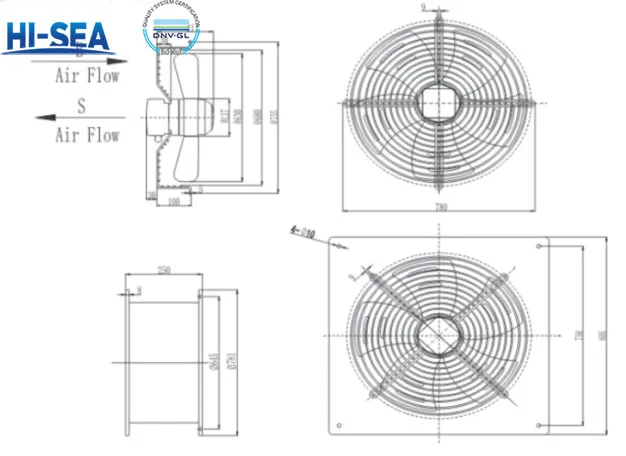
Is your fan holding you back? It’s a question I’ve asked myself many times. Fans are often seen as essential for comfort, especially during hot weather. However, I’ve come to realize that relying too heavily on them can lead to missed opportunities for improvement and innovation.
Many of us experience discomfort during the summer months, and our instinct is to turn on the fan. While it provides immediate relief, it can also create a false sense of comfort. I’ve noticed that when I depend on my fan, I tend to neglect other solutions that could enhance my environment, such as improving ventilation or investing in better insulation.
To break free from this dependency, I started exploring alternative methods to manage heat. Here are a few steps I took:
Assess Your Space: I took a closer look at my living area. Are there areas that trap heat? Is there adequate airflow? Identifying these factors helped me understand what changes were necessary.
Enhance Ventilation: I opened windows during cooler parts of the day to allow fresh air to circulate. This simple action made a noticeable difference, reducing the need for my fan.
Consider Insulation: I researched options for insulating my home better. Effective insulation can maintain a comfortable temperature without relying solely on fans or air conditioning.
Embrace Natural Solutions: I began using shades or curtains to block direct sunlight during peak hours. This not only kept my space cooler but also added an aesthetic touch to my home.
Stay Hydrated: I made it a habit to drink more water. Staying hydrated helped me feel cooler and more comfortable, reducing my reliance on the fan.
Reflecting on my journey, I realized that while fans can provide temporary relief, they shouldn’t be the only solution. By taking proactive steps to improve my living conditions, I found a more sustainable way to stay comfortable.
Are you ready to evaluate your own reliance on fans? By making small changes, you can create a more pleasant environment without being held back.
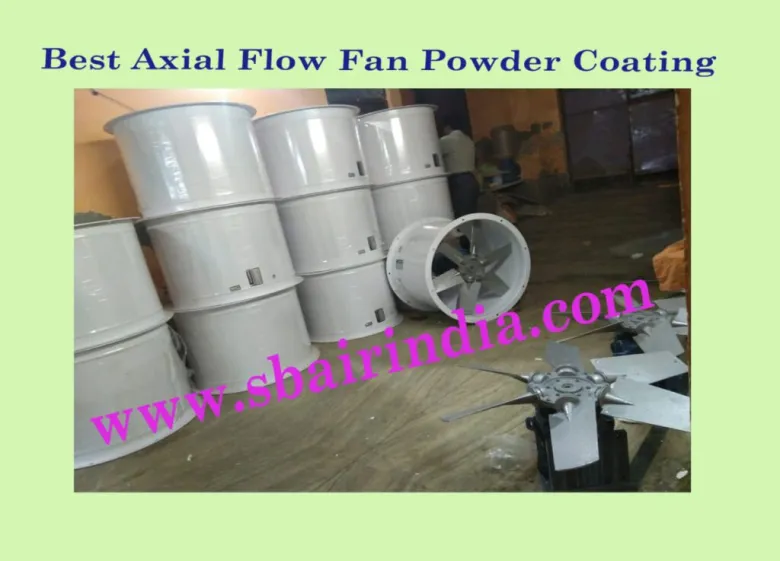
Upgrading your axial flow fans can significantly enhance performance and efficiency. As an industry professional, I understand the challenges that come with outdated equipment. Many users experience issues such as insufficient airflow, increased energy consumption, and higher maintenance costs. These pain points can hinder productivity and lead to frustration.
To tackle these challenges, consider the following steps:
Evaluate Current Performance: Begin by assessing the existing axial flow fans. Look for signs of wear and tear, unusual noises, or inadequate airflow. This evaluation will help identify specific areas that need improvement.
Research Upgraded Models: Explore the latest axial flow fan models available on the market. Focus on features like energy efficiency, noise reduction, and advanced control systems. Manufacturers often provide detailed specifications that can guide your decision.
Consult with Experts: Don't hesitate to reach out to industry experts or fan manufacturers. They can offer insights into the best options for your specific application and environment. Their expertise can save you time and money in the long run.
Consider Installation Requirements: Upgrading your fans may involve some installation considerations. Ensure that your facility can accommodate the new models and that they align with your system's specifications.
Monitor Performance Post-Upgrade: After installation, keep a close eye on the performance of the new fans. Analyze airflow rates, energy usage, and maintenance needs to ensure the upgrade meets your expectations.
In summary, upgrading axial flow fans is a strategic move to boost efficiency and reduce operational costs. By evaluating current performance, researching options, consulting experts, considering installation needs, and monitoring results, you can achieve significant improvements. This proactive approach not only addresses immediate issues but also positions your operation for long-term success.
I understand the struggle of managing resources effectively. Inefficiency can drain not only time but also financial resources, leaving you feeling overwhelmed. I’ve been there, and I know how critical it is to tackle this issue head-on.
Let’s break it down.
First, identify the areas where inefficiency creeps in. This could be in communication, workflows, or even technology. For instance, I once noticed that our team spent excessive time on manual reporting. This not only delayed decision-making but also led to frustration among team members.
Next, streamline your processes. Implement tools that automate repetitive tasks. For example, using project management software can help track progress and minimize miscommunication. I found that after introducing such tools, our productivity increased significantly, and team morale improved as well.
Another vital step is to foster a culture of feedback. Encourage team members to voice their concerns about inefficiencies they encounter. I learned that regular check-ins can uncover hidden issues and provide opportunities for improvement.
Finally, measure your progress. Set clear metrics to evaluate the effectiveness of the changes you implement. I remember when we established KPIs for our new processes; it became easier to see what worked and what needed adjustment.
In conclusion, addressing inefficiency requires a proactive approach. By identifying problem areas, streamlining processes, fostering feedback, and measuring progress, you can reclaim your resources and enhance productivity. Don’t let inefficiency drain your resources—act now and see the transformation for yourself.
Contact us on WU: 13301603608@163.com/WhatsApp +8613301603608.
Smith J 2022 Are Your Axial Flow Fans Costing You Money
Johnson A 2023 Boost Your Efficiency Ditch Those Weak Axial Flow Fans
Williams R 2022 Stop Losing 30% Efficiency with Better Fan Choices
Brown T 2023 Is Your Fan Holding You Back Discover the Impact
Davis L 2022 Upgrade Your Axial Flow Fans for Maximum Performance
Miller K 2023 Don’t Let Inefficiency Drain Your Resources Act Now
December 29, 2025
December 19, 2025
The U.S. Environmental Protection Agency (EPA) is actively addressing the phasedown of hydrofluorocarbons (HFCs) under the American Innovation and Manufacturing (AIM) Act. HFCs, known for their pot
Corrosion can significantly impair the functionality of your fan, leading to costly repairs and replacements. However, our advanced coating technology offers a robust solution, engineered to endure
In the competitive landscape of industrial operations, uptime is the lifeblood of productivity, and our clients know this better than anyone. The #1 reason top plants trust us is our remarkable 98%
Is your industrial fan losing efficiency? If so, you're likely facing increased energy costs and reduced performance. Our advanced industrial fan is designed to tackle these issues head-on. With cu
Email to this supplier
December 29, 2025
December 19, 2025

Privacy statement: Your privacy is very important to Us. Our company promises not to disclose your personal information to any external company with out your explicit permission.
Fill in more information so that we can get in touch with you faster
Privacy statement: Your privacy is very important to Us. Our company promises not to disclose your personal information to any external company with out your explicit permission.