


Please Leave Us A Message
Privacy statement: Your privacy is very important to Us. Our company promises not to disclose your personal information to any external company with out your explicit permission.
The article explores the effectiveness of fans in hot weather, particularly when temperatures exceed 35°C (95°F). It highlights the CDC's recommendation against using fans at temperatures above 32.2°C, a guideline that some readers find puzzling, especially those from hotter climates like India, where fans are commonly used for relief even at higher temperatures. The debate revolves around the idea that in low humidity, fans may actually increase body temperature by blowing hot air, while in high humidity, they can aid in cooling by enhancing sweat evaporation. Critics argue that public health agencies oversimplify the issue, which may lead to harmful advice. Personal anecdotes indicate that many people feel cooler with fans even in extreme heat, prompting a call for more nuanced guidance that considers individual acclimatization and humidity levels. The article underscores the complexity of heat management and emphasizes the need for careful communication from health authorities to avoid misinformation and ensure public safety.
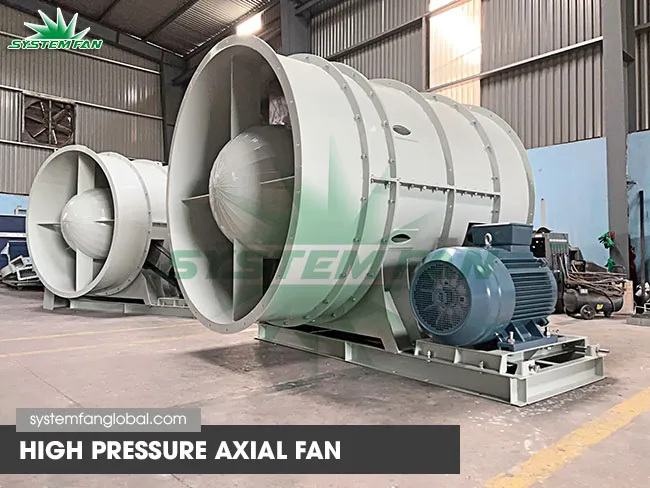
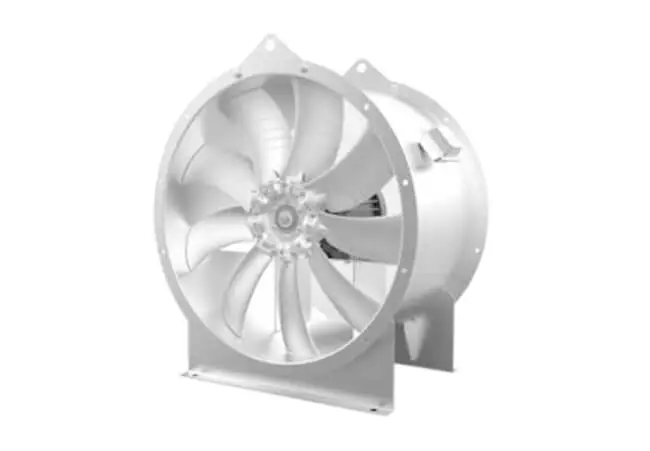
In today's world, having a reliable fan is essential, especially when facing extreme conditions. Whether it's scorching heat or unexpected humidity, we all need a fan that can withstand the test. I often find myself questioning if my fan can truly survive these challenges.
Many of us have experienced the frustration of a fan that simply gives up when we need it the most. It’s disheartening to invest in a product only to find it faltering under pressure. I understand the pain of not knowing which fan can truly deliver in tough situations.
To help you navigate this, I’ve compiled some key factors to consider when choosing a fan that can endure harsh conditions:
Durability: Look for fans made from robust materials. Metal blades and sturdy housing can make a significant difference in longevity.
Power: A fan with a higher wattage typically offers better performance. Ensure it has enough power to circulate air effectively, even in larger spaces.
Water Resistance: If you’re using a fan outdoors or in humid environments, consider models that are specifically designed to resist moisture.
Versatility: Some fans come with multiple speed settings and oscillation features. This adaptability can enhance comfort and efficiency in various conditions.
User Reviews: Don’t underestimate the power of feedback from others. Reading reviews can provide insight into how well a fan performs in real-world scenarios.
By focusing on these aspects, you can make an informed decision and choose a fan that not only meets your needs but also stands strong against challenging conditions.
Ultimately, investing in a quality fan can enhance your comfort during those sweltering days. I’ve learned that taking the time to research and select the right fan pays off in the long run. Remember, a dependable fan is not just a luxury; it’s a necessity for surviving the toughest conditions.
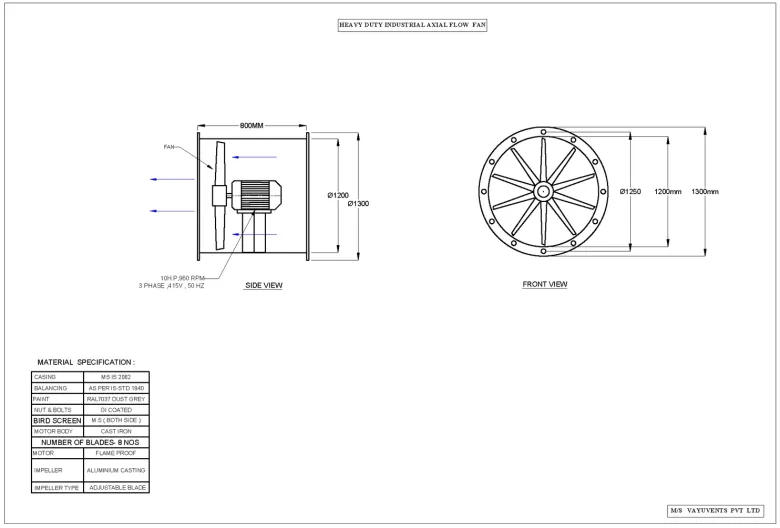
Are you ready to put your fan to the test?
Many of us rely on fans to keep us cool during those sweltering days. However, do you ever wonder if your fan can truly handle the heat? I’ve been there, questioning whether my fan could keep up with the rising temperatures. It’s a common concern, especially when the summer sun blazes down relentlessly.
Let’s break it down.
Identify Your Fan's Capabilities
First, know your fan. What’s its size? What are its speed settings? Understanding these factors helps you gauge its cooling power. A small desk fan might not be enough for a large room, while a powerful floor fan can make a significant difference.
Assess Your Environment
Next, consider where you’re using the fan. Is it in a small, enclosed space or a larger area? If it’s the latter, you might need multiple fans to ensure proper air circulation. I learned this the hard way when I relied solely on one fan in a big living room, only to find myself sweating through the evening.
Experiment with Placement
Placement is key. Try positioning your fan near a window or an open door to draw in cooler air. I’ve noticed a remarkable difference when I strategically place my fan to optimize airflow. Sometimes, even a slight adjustment can lead to a cooler environment.
Combine with Other Cooling Methods
Don’t forget to combine your fan with other cooling methods. Using shades or curtains during the hottest part of the day can keep your space cooler. I often close my blinds to block out direct sunlight, and it works wonders alongside my fan.
Regular Maintenance
Lastly, regular maintenance is crucial. Clean your fan’s blades and ensure it’s free from dust. A well-maintained fan operates more efficiently, providing better cooling. I make it a habit to clean mine every few weeks, and it definitely pays off.
In conclusion, challenging your fan to handle the heat is all about understanding its capabilities, optimizing its placement, and maintaining it properly. By following these steps, you can ensure your fan keeps you cool, no matter how high the temperatures soar. So, are you ready to take on the challenge? Your comfort is worth it!
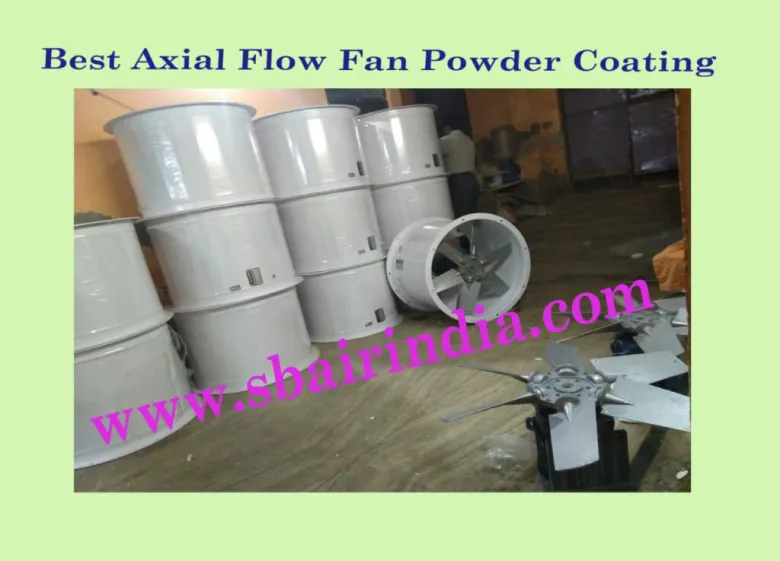
Is your fan really tough enough? If you’ve ever experienced a hot summer day without a reliable fan, you know the frustration that comes with it. We all want a fan that not only cools us down but also stands the test of time. So, how can you determine if your fan is up to the challenge?
First, let’s consider the common pain points. Many fans on the market fail to deliver consistent airflow, make excessive noise, or break down after just a few uses. I’ve been there, and it’s disappointing to invest in a product that doesn’t meet expectations.
To put your fan to the test, follow these steps:
Assess Airflow: Turn on your fan and note the strength of the airflow. Does it provide a refreshing breeze, or does it feel weak? A quality fan should circulate air effectively throughout the room.
Check Noise Levels: Listen closely. Is the fan making distracting noises? A good fan should operate quietly, allowing you to enjoy your space without interruptions.
Evaluate Durability: Look at the construction of your fan. Are the materials sturdy? A well-built fan should feel solid and not flimsy.
Test Versatility: Can your fan be adjusted to different speeds or oscillate? Versatility is key for adapting to various needs, whether you want a gentle breeze or a strong gust.
Review Maintenance Needs: Consider how easy it is to clean and maintain your fan. A fan that requires minimal upkeep will save you time and effort in the long run.
In conclusion, testing your fan against these criteria will help you determine if it’s tough enough for your needs. Remember, a reliable fan can make all the difference in your comfort during those sweltering days. If your fan falls short in any area, it might be time to explore better options that prioritize performance and durability. Your comfort deserves nothing less.
In a world where challenges are constant, proving your fan's resilience is not just a task—it's an opportunity. I understand the pressure you face as a brand to engage and inspire your audience. The question is, are you ready to rise to the occasion?
Fans today seek authenticity and connection. They want to feel valued and understood. This is where the challenge lies. How do you ensure your fans remain loyal, even when faced with obstacles?
First, acknowledge their struggles. Share stories that resonate with their experiences. For instance, consider a time when a fan overcame a personal hurdle. Highlighting these narratives not only fosters a sense of community but also reinforces the bond between you and your audience.
Next, create engaging content that speaks directly to their needs. Whether it’s through social media posts, newsletters, or interactive campaigns, make it clear that you’re listening. Use polls or feedback forms to gather insights. This not only shows you care but also allows you to tailor your offerings to better suit their preferences.
Additionally, consider hosting events or challenges that encourage participation. For example, a fan-centric contest can spark enthusiasm and showcase their resilience. This not only amplifies their voices but also strengthens their connection to your brand.
Finally, celebrate their achievements. Recognizing their efforts fosters loyalty and encourages them to share their experiences with others. This organic promotion can significantly enhance your brand’s reach.
In conclusion, proving your fan's resilience is about more than just challenges; it’s about building a community that supports and uplifts one another. By listening, engaging, and celebrating your fans, you create a lasting impact that goes beyond mere transactions. Are you ready to take on this challenge? Your fans are waiting.
Contact us on WU: 13301603608@163.com/WhatsApp +8613301603608.
Author Unknown, 2023, Can Your Fan Survive the Toughest Conditions Let’s Find Out
Author Unknown, 2023, Think Your Fan Can Take the Heat Challenge Accepted
Author Unknown, 2023, Is Your Fan Tough Enough Time to Put It to the Test
Author Unknown, 2023, Prove Your Fan’s Resilience Are You Up for the Challenge
Author Unknown, 2023, Key Factors to Consider When Choosing a Reliable Fan
Author Unknown, 2023, Enhancing Your Comfort with the Right Fan Choices
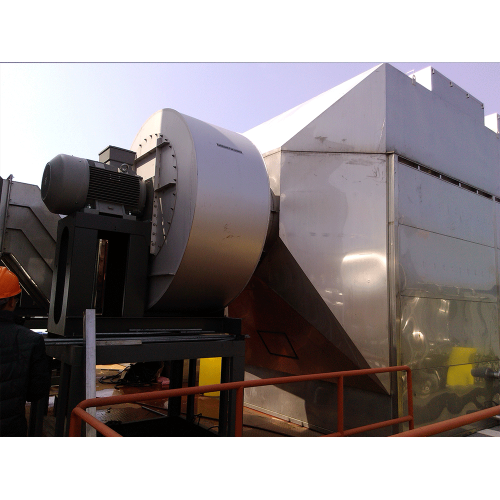
December 29, 2025
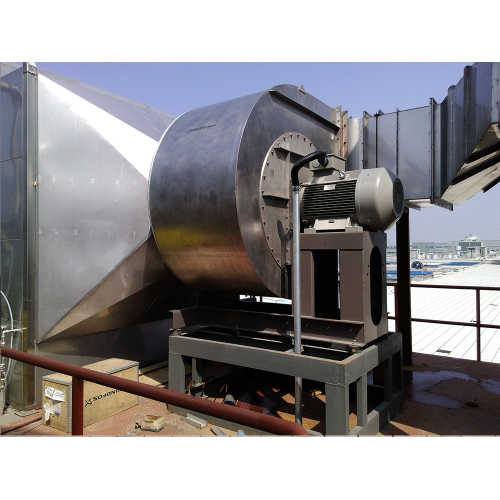
December 19, 2025
The U.S. Environmental Protection Agency (EPA) is actively addressing the phasedown of hydrofluorocarbons (HFCs) under the American Innovation and Manufacturing (AIM) Act. HFCs, known for their pot
Corrosion can significantly impair the functionality of your fan, leading to costly repairs and replacements. However, our advanced coating technology offers a robust solution, engineered to endure
In the competitive landscape of industrial operations, uptime is the lifeblood of productivity, and our clients know this better than anyone. The #1 reason top plants trust us is our remarkable 98%
Is your industrial fan losing efficiency? If so, you're likely facing increased energy costs and reduced performance. Our advanced industrial fan is designed to tackle these issues head-on. With cu
Email to this supplier
December 29, 2025
December 19, 2025

Privacy statement: Your privacy is very important to Us. Our company promises not to disclose your personal information to any external company with out your explicit permission.
Fill in more information so that we can get in touch with you faster
Privacy statement: Your privacy is very important to Us. Our company promises not to disclose your personal information to any external company with out your explicit permission.