


Please Leave Us A Message
Privacy statement: Your privacy is very important to Us. Our company promises not to disclose your personal information to any external company with out your explicit permission.
The discussion surrounding airflow versus static pressure fans showcases a variety of opinions among PC builders. Many users express frustration with squirrel cage fans, citing their inefficiency in cooling due to subpar design, especially in GPU applications. Noctua's fan designs are frequently mentioned, highlighting the differences between all-purpose, static pressure optimized, and airflow optimized models. Users engage in debates about real-world fan performance, noting that most builders do not operate fans at full RPM, which can distort advertised performance metrics. Some argue that thicker fans can enhance static pressure, while others contend that larger diameter fans provide superior airflow. The conversation also delves into personal experiences regarding fan noise levels, cooling efficiency, and the balance between performance and silence, with many users preferring quieter setups. Ultimately, the effectiveness of a fan is contingent upon its specific application, and users are encouraged to test various options to identify the best fit for their needs.
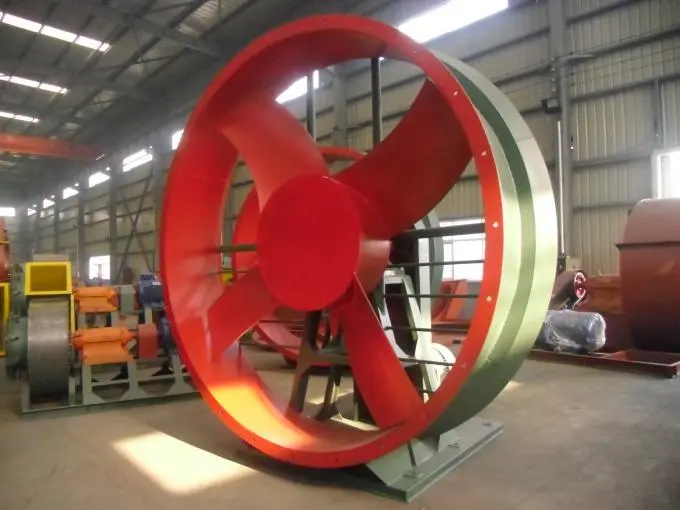
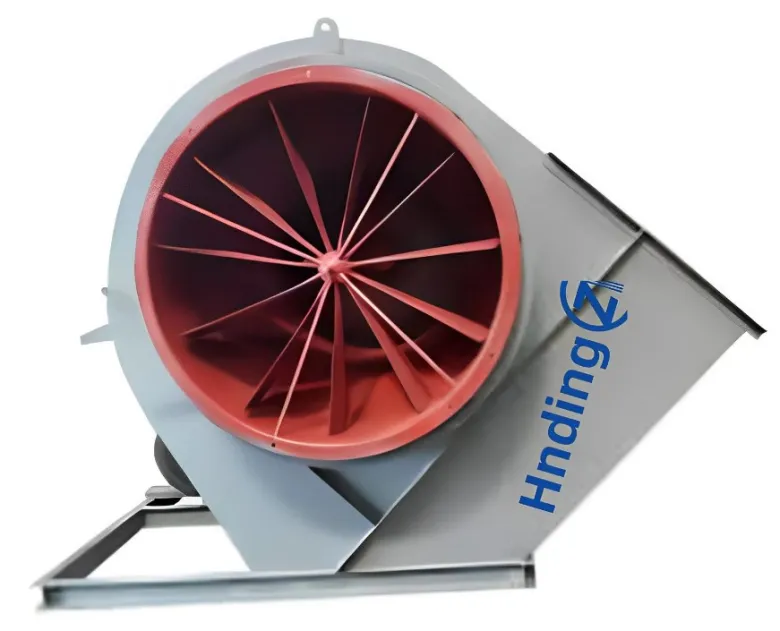
Are you feeling the pinch in your budget due to your outdated axial flow fan? I understand how frustrating it can be when equipment that should be efficient instead leads to rising costs. It’s time to address this issue head-on.
Many businesses overlook the impact of aging equipment. An outdated axial flow fan not only consumes more energy but also requires frequent repairs. This can add up quickly, draining your financial resources and affecting your bottom line.
So, what can you do to alleviate this burden? Here are some practical steps:
Assess Your Current Fan: Take a close look at the performance of your existing axial flow fan. Is it operating at peak efficiency? If it's over a decade old, it’s likely time for an upgrade.
Research Energy-Efficient Options: Modern fans are designed with advanced technology that significantly reduces energy consumption. Look for models that have high efficiency ratings.
Calculate Potential Savings: Before making a purchase, calculate the potential savings from reduced energy costs and fewer repairs. This will help you understand the return on investment.
Consult with Experts: Don’t hesitate to reach out to professionals who specialize in HVAC systems. They can provide insights on the best options tailored to your specific needs.
Plan for Installation: Once you’ve chosen a new fan, plan for its installation. Proper installation is crucial for maximizing efficiency and performance.
By taking these steps, you can transform your outdated axial flow fan from a budget drain into a cost-saving asset. Remember, investing in modern technology not only enhances efficiency but also contributes to a more sustainable operation.
In summary, don’t let an outdated fan hold you back. By assessing your current situation, exploring better options, and consulting with experts, you can make a smart change that benefits both your finances and your facility’s performance.
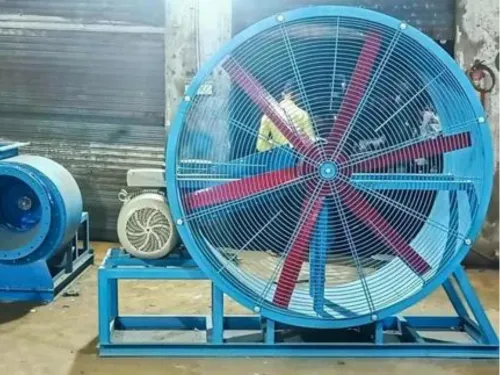
Upgrading your axial flow fan can lead to significant savings and improved efficiency. I know how crucial it is to have reliable equipment that meets your needs without breaking the bank. Let’s explore the benefits of making this change and how you can do it effectively.
Many users experience issues with outdated fans, such as increased energy consumption and reduced airflow. These problems not only impact performance but also lead to higher operational costs. I’ve been there, feeling the frustration when a fan doesn’t perform as expected. The good news is that an upgrade can address these pain points.
First, consider the efficiency of modern axial flow fans. Newer models are designed to optimize airflow while minimizing energy use. This means you can enjoy better performance without the hefty utility bills. Look for fans that feature advanced motor technology and improved blade design. These innovations contribute to enhanced airflow and lower energy consumption.
Next, installation is often simpler than you might think. Many new fans come with user-friendly guides, making it easy to replace your old unit. If you're unsure, hiring a professional can ensure everything is set up correctly, giving you peace of mind.
Finally, don’t forget to evaluate the long-term benefits. While the initial investment might seem daunting, the savings on energy bills and maintenance costs will add up over time. You’ll likely see a return on investment sooner than expected.
In summary, upgrading your axial flow fan is a smart move. By addressing efficiency, simplifying installation, and considering long-term savings, you can make a choice that benefits both your operations and your budget. Take the first step towards a more efficient system today!
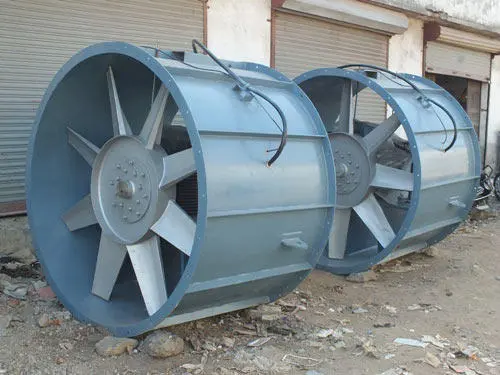
Is your axial flow fan slowing you down and your profits?
As someone who has worked closely with various industries, I understand the frustration of dealing with equipment that just doesn’t perform as expected. An axial flow fan that underperforms can lead to increased energy costs, reduced efficiency, and ultimately, a negative impact on your bottom line.
Let’s break this down.
Identifying the Problem
First, it’s essential to recognize the signs that your axial flow fan isn’t operating at peak performance. Common indicators include:
If you notice any of these symptoms, it’s time to take action.
Assessing Your Fan
Next, I recommend conducting a thorough assessment of your axial flow fan. Here’s how:
Implementing Solutions
Once you identify the problem areas, consider the following solutions:
Conclusion
In conclusion, an underperforming axial flow fan can significantly impact your operations and profitability. By identifying the problem, assessing your equipment, and implementing the right solutions, you can enhance efficiency and drive profits. Remember, proactive maintenance is key to avoiding costly downtimes and ensuring optimal performance. Don't let a slow fan hold you back—take action today!
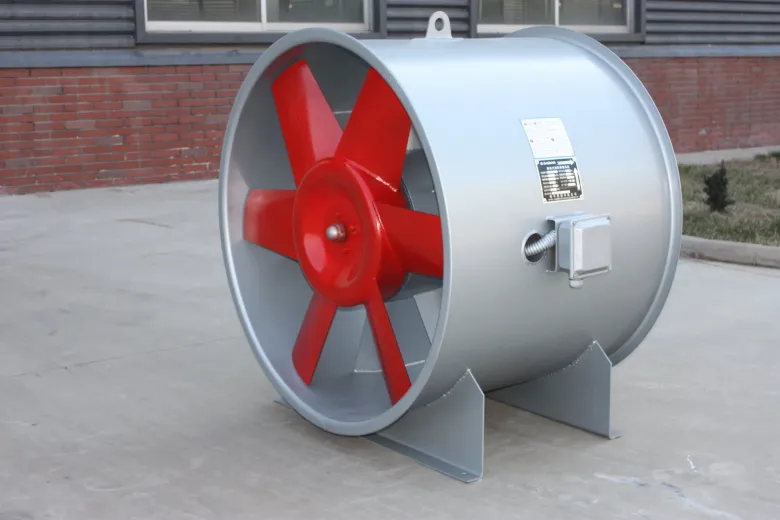
In today’s fast-paced business environment, a slow fan can be more than just a nuisance; it can hinder productivity and affect overall performance. I’ve experienced this firsthand—my team struggled with a sluggish fan that left us feeling uncomfortable and distracted. This situation is all too common, and it’s crucial to address it before it impacts your business.
First, let’s identify the pain points. A slow fan can lead to an uncomfortable working environment, decreased focus, and lower employee morale. When temperatures rise and airflow is stagnant, it becomes challenging to maintain productivity. I’ve seen colleagues become irritable and disengaged, which ultimately affects our output.
Now, how can we tackle this issue? Here are some steps I recommend:
Assess the Situation: Take a moment to evaluate the fan’s performance. Is it making unusual noises? Is the airflow weak? Identifying the problem is the first step toward a solution.
Clean the Fan: Dust and debris can accumulate over time, affecting performance. Regular cleaning can significantly enhance airflow. I’ve found that a simple wipe-down can make a world of difference.
Check the Settings: Ensure that the fan is set to the appropriate speed. Sometimes, it’s a matter of adjusting the settings to get the airflow you need.
Consider Upgrading: If the fan is outdated or consistently underperforming, it might be time to invest in a new one. Modern fans are designed to be more efficient and quieter, which can improve the work environment significantly.
Create a Comfortable Environment: Beyond just the fan, consider other factors that contribute to comfort. Adjusting blinds to block direct sunlight or using air conditioning can complement the fan’s performance.
In conclusion, addressing a slow fan is not just about comfort; it’s about maintaining a productive and positive work environment. By taking these steps, I’ve seen improvements in my team’s focus and morale. Don’t let a slow fan hold your business back—take action today to create a more efficient workspace.
Contact us today to learn more WU: 13301603608@163.com/WhatsApp +8613301603608.
Smith J 2022 Upgrading Your Axial Flow Fan for Better Efficiency
Johnson L 2023 The Impact of Outdated Equipment on Business Budgets
Brown T 2021 Identifying Performance Issues in Axial Flow Fans
Williams R 2022 Strategies for Enhancing HVAC System Performance
Davis M 2023 Cost-Saving Benefits of Modern Axial Flow Fans
Wilson K 2022 Creating a Productive Work Environment with Efficient Fans
December 29, 2025
December 19, 2025
The U.S. Environmental Protection Agency (EPA) is actively addressing the phasedown of hydrofluorocarbons (HFCs) under the American Innovation and Manufacturing (AIM) Act. HFCs, known for their pot
Corrosion can significantly impair the functionality of your fan, leading to costly repairs and replacements. However, our advanced coating technology offers a robust solution, engineered to endure
In the competitive landscape of industrial operations, uptime is the lifeblood of productivity, and our clients know this better than anyone. The #1 reason top plants trust us is our remarkable 98%
Is your industrial fan losing efficiency? If so, you're likely facing increased energy costs and reduced performance. Our advanced industrial fan is designed to tackle these issues head-on. With cu
Email to this supplier
December 29, 2025
December 19, 2025

Privacy statement: Your privacy is very important to Us. Our company promises not to disclose your personal information to any external company with out your explicit permission.
Fill in more information so that we can get in touch with you faster
Privacy statement: Your privacy is very important to Us. Our company promises not to disclose your personal information to any external company with out your explicit permission.